A Celexo skin booster is a plant-derived exosome treatment from a Korean manufacturer, applied in the clinic through fine channels made in the skin. People usually ask about it when their skin feels dry, looks rough or dull, shows enlarged pores, or seems to have lost some firmness. Whether it has a place in your treatment, and for which concern, is decided at the consultation.
What is a Celexo exosome skin booster?
Celexo is a Korean brand of plant-derived exosome products made by A-Bio Materials (에이바이오머티리얼즈). The raw material is Centella asiatica, the plant behind many “cica” creams, which the manufacturer says it grows in its own smart-farm environment (A-Bio Materials).
- Exosomes are very small particles that cells release when they exchange signals. Skin-care exosome ingredients are either human-derived or plant-derived; Celexo is plant-derived.
- The in-clinic product, Celexo Exo-Cica, is supplied in vials. The manufacturer lists three components: its Centella exosome material, hyaluronic acid in high- and low-molecular-weight forms, and collagen types I and III (Celexo product page).
- “Celexo” is a product family of about ten items. Some are cosmetics for home use, and the clinic vial is a separate product. When this article says “Celexo,” it means the clinic booster unless it says otherwise.
How the clinic booster differs from Celexo toners and serums is covered in an earlier article on home care and the clinic booster.
Which skin concerns lead people to ask about it?
Most people who ask about skin boosters describe one of four concerns. These are reasons people come in, not results the product is approved to produce.
- Dryness. Skin that feels tight or looks dull even with regular moisturizer.
- Rough texture. An uneven surface that makeup tends to settle into.
- Visible pores. Pores that look larger, often on the cheeks and nose.
- Loss of firmness. Skin that seems thinner or less springy than it used to.
Each of these can have more than one cause, from a weakened skin barrier to sun exposure to changes in deeper tissue. That is why the same concern can lead to different plans for different people, and why a skin booster may be one part of a plan, the whole plan, or not part of it at all.
What does a consultation look at before a skin booster is considered?
The doctor looks at what is causing the concern, not only at the concern itself. A consultation for a skin booster is likely to cover the points below, so it helps to think about them before you arrive.
| What is looked at | Why it matters |
|---|
| Where the concern is, and how widespread | A local concern and a whole-face concern are planned differently |
| Skin barrier condition | Irritated or broken skin may need settling before any procedure |
| Recent procedures | Lasers, needle RF, or peels in the past weeks affect timing |
| Active acne, cold sores, or skin infection | These usually need to be addressed first |
| Medicines and supplements | Some affect bleeding or healing |
| What you use at home | Retinoids and acids can make skin more reactive after a session |
Whether a Celexo session fits your plan, and how it would be combined with other care, is a clinical judgment your doctor makes after examining you.
How is it applied in the clinic, and what should a visitor from abroad plan for?
The booster is applied after a device makes very fine channels in the skin, rather than being rubbed onto intact skin. At 4ever the Cheongdam, the devices used for this include microneedling (MTS) and the Potenza pumping tip; the choice depends on your skin and your other treatments.
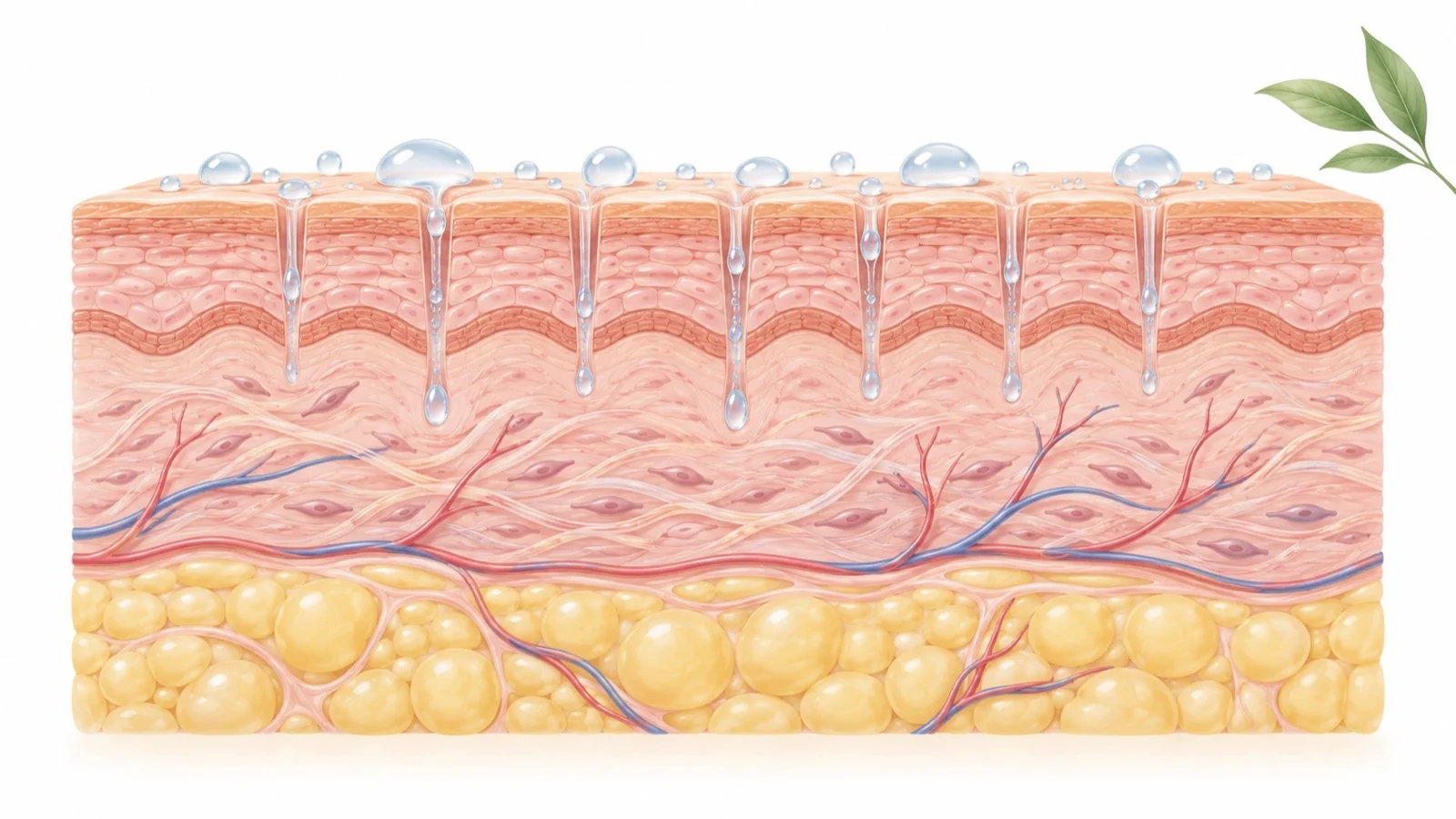 The channels let the solution reach below the surface. The device step, not the booster itself, is the main source of short-term redness and sensitivity.
- Sessions are scheduled around other treatments. Earlier articles on this site describe sessions roughly two to three weeks apart, for three sessions or more, adjusted to each person.
- How the delivery devices differ is covered in this article on skin booster delivery methods.
If you are visiting from abroad, plan around the schedule rather than the single session, because a booster plan is usually spread over several weeks.
- Number of visits: ask how many sessions are planned and how far apart, and what the doctor suggests if you can come only once.
- Your products: bring a list of what you use at home, with ingredient names in English or a photo of each label.
- Aftercare: ask when you can return to sunscreen, makeup, and your usual products, and write it down.
What are the side effects, and what should you watch for?
Most short-term reactions come from the device step that opens fine channels in the skin. The table lists what is commonly reported after microneedle or RF microneedle delivery; the clinic’s written instructions take precedence.
| Commonly reported | What clinics commonly instruct |
|---|
| Redness and warmth in the treated area | Follow the aftercare sheet; avoid rubbing or scrubbing |
| Mild swelling | Tell the clinic if it increases instead of settling |
| Pinpoint bleeding or small bruises | Usually noted on the day; mention anything that spreads |
| Dryness or light flaking | Use only the products the clinic approves at first |
| Pain that grows, pus, or fever | Contact the clinic promptly |
| Hives, spreading rash, or trouble breathing | Seek urgent medical care |
Tell the clinic before any session if you take blood thinners or acne medicine such as isotretinoin, if you are pregnant or breastfeeding, or if you have had another procedure on the same area recently. Whether a booster session suits you is a clinical judgment your doctor makes after examining you.
FAQ
How long does redness last after a Celexo session?
Most of the redness and sensitivity comes from the device step that opens fine channels in the skin, not from the booster itself. How long it lasts depends on the device, the depth and your skin. Ask the clinic when you can return to makeup, sunscreen and your usual products, and write it down.
Is Celexo the same as the Celexo toner I can buy?
No. The home toners and serums are cosmetics applied to intact skin. The clinic booster is a separate vial applied through fine channels made by a device.
Is a plant-derived exosome the same as a human-derived one?
No. They come from different sources: plant-derived exosomes from plants such as Centella asiatica, and human-derived exosomes from cultured human cells. This article does not compare them.
How many sessions are usually planned?
Earlier articles on this site describe sessions roughly two to three weeks apart, for three sessions or more. Your number depends on your skin and your other treatments, and the doctor decides it after examining you.
Can a skin booster be combined with other treatments on the same day?
Sometimes it is scheduled after laser or needle RF treatments, and sometimes separately. Which order and timing fit you is a treatment-planning question for the doctor.
This article is general information about a treatment offered at 4ever the Cheongdam. It is not medical advice and does not replace consultation with a doctor who has examined you. Product approvals, regulations, and clinic practices change; please confirm anything that affects a decision with the clinic directly.
Sources: A-Bio Materials, company site and Celexo product page (manufacturer’s descriptions).
4ever the Cheongdam
99-23 Cheongdam-dong, Gangnam-gu, Seoul, Korea
서울 강남구 청담동 99-23 (copy this line into Naver Map, Kakao Map, or show it to a taxi driver)
Tel. +82-2-518-7705

A Celexo skin booster is a plant-derived exosome treatment from a Korean manufacturer, applied in the clinic through fine channels made in the skin. People usually ask about it when their skin feels dry, looks rough or dull, shows enlarged pores, or seems to have lost some firmness. Whether it has a place in your treatment, and for which concern, is decided at the consultation.
What is a Celexo exosome skin booster?
Celexo is a Korean brand of plant-derived exosome products made by A-Bio Materials (에이바이오머티리얼즈). The raw material is Centella asiatica, the plant behind many “cica” creams, which the manufacturer says it grows in its own smart-farm environment (A-Bio Materials).
How the clinic booster differs from Celexo toners and serums is covered in an earlier article on home care and the clinic booster.
Which skin concerns lead people to ask about it?
Most people who ask about skin boosters describe one of four concerns. These are reasons people come in, not results the product is approved to produce.
Each of these can have more than one cause, from a weakened skin barrier to sun exposure to changes in deeper tissue. That is why the same concern can lead to different plans for different people, and why a skin booster may be one part of a plan, the whole plan, or not part of it at all.
What does a consultation look at before a skin booster is considered?
The doctor looks at what is causing the concern, not only at the concern itself. A consultation for a skin booster is likely to cover the points below, so it helps to think about them before you arrive.
Whether a Celexo session fits your plan, and how it would be combined with other care, is a clinical judgment your doctor makes after examining you.
How is it applied in the clinic, and what should a visitor from abroad plan for?
The booster is applied after a device makes very fine channels in the skin, rather than being rubbed onto intact skin. At 4ever the Cheongdam, the devices used for this include microneedling (MTS) and the Potenza pumping tip; the choice depends on your skin and your other treatments.
If you are visiting from abroad, plan around the schedule rather than the single session, because a booster plan is usually spread over several weeks.
What are the side effects, and what should you watch for?
Most short-term reactions come from the device step that opens fine channels in the skin. The table lists what is commonly reported after microneedle or RF microneedle delivery; the clinic’s written instructions take precedence.
Tell the clinic before any session if you take blood thinners or acne medicine such as isotretinoin, if you are pregnant or breastfeeding, or if you have had another procedure on the same area recently. Whether a booster session suits you is a clinical judgment your doctor makes after examining you.
FAQ
How long does redness last after a Celexo session?
Most of the redness and sensitivity comes from the device step that opens fine channels in the skin, not from the booster itself. How long it lasts depends on the device, the depth and your skin. Ask the clinic when you can return to makeup, sunscreen and your usual products, and write it down.
Is Celexo the same as the Celexo toner I can buy?
No. The home toners and serums are cosmetics applied to intact skin. The clinic booster is a separate vial applied through fine channels made by a device.
Is a plant-derived exosome the same as a human-derived one?
No. They come from different sources: plant-derived exosomes from plants such as Centella asiatica, and human-derived exosomes from cultured human cells. This article does not compare them.
How many sessions are usually planned?
Earlier articles on this site describe sessions roughly two to three weeks apart, for three sessions or more. Your number depends on your skin and your other treatments, and the doctor decides it after examining you.
Can a skin booster be combined with other treatments on the same day?
Sometimes it is scheduled after laser or needle RF treatments, and sometimes separately. Which order and timing fit you is a treatment-planning question for the doctor.
This article is general information about a treatment offered at 4ever the Cheongdam. It is not medical advice and does not replace consultation with a doctor who has examined you. Product approvals, regulations, and clinic practices change; please confirm anything that affects a decision with the clinic directly.
Sources: A-Bio Materials, company site and Celexo product page (manufacturer’s descriptions).
4ever the Cheongdam
99-23 Cheongdam-dong, Gangnam-gu, Seoul, Korea
서울 강남구 청담동 99-23 (copy this line into Naver Map, Kakao Map, or show it to a taxi driver)
Tel. +82-2-518-7705